CO-Horts

CO-Horts Blog

Showing posts with label perennials. Show all posts

Monday, April 17, 2023

Perennial trials reveal top 9 performers in Rocky Mountain conditions by Jim Klett

 After three seasons growing in the challenging conditions of the Rocky Mountains, nine perennial plants have been named “Top Performers” by researchers at Colorado State University.

The purpose of the trial garden is to evaluate new perennial plant species and cultivars under the unique Rocky Mountain environmental conditions. Plants are evaluated for plant vigor, uniformity, floriferousness and tolerance to environmental and biotic stresses. The Perennial Trial program at Colorado State University is designed to test newer perennial cultivars that have been introduced in the past three years or less. Entries in this trial are grown for three summers and two winters before they are switched out for new entries.

Performance Evaluation

Photos and data on plants and flowers were collected on a bi-weekly basis from May to early October. Dead plants in the trial were not considered in the bi-weekly evaluation; thus, the ratings given only reflect the live plants. Members from the Perennial Trial subcommittee also evaluated and wrote comments for each plant variety in June, July, August and September. Plants and flowers were rated 0-5 using the following scale:

2022 CSU “Top Performer” Perennials

Armeria Dreameria® ‘Dream Clouds’ from Darwin Perennials

Heavy first flush of pure white flowers gives a crisp, impressive appearance with plenty of “Wow!” from visitors. The pom-pom flowers give a unique appearance and form for the garden. Growth habit is very uniform and tidy, dark green foliage is attractive even without flowers.


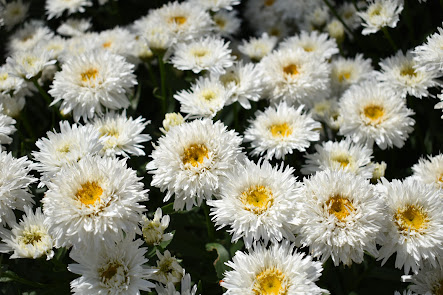
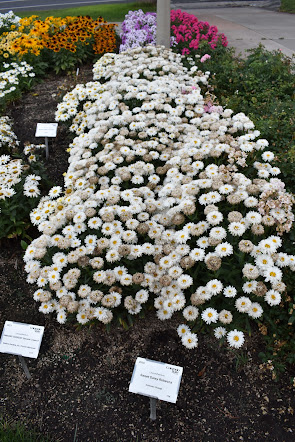
Leucanthemum Sweet Daisy™ Rebecca from Dümmen Orange

Plants were “right in your face” at peak bloom as they formed a solid canopy of flowers which was quite spectacular. Blooms were stunning white with multiple layers of petals and a yellow eye for maximum show. Petals had a very frilly edge and this was definitely not your average Shasta daisy. Plants had a compact and tidy growth habit.


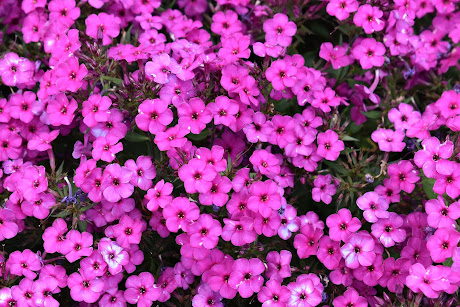
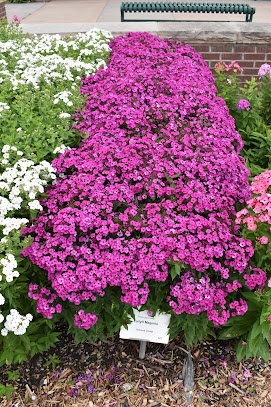
Phlox paniculata Early® Magenta from Dümmen Orange

Compact, uniform plants almost resembled a wall of solid magenta flowers. It was noted for its ability to bloom early and stay late into the season. It also provided a good show of flowers the first year it was planted in 2020. It was resistant to powdery mildew.


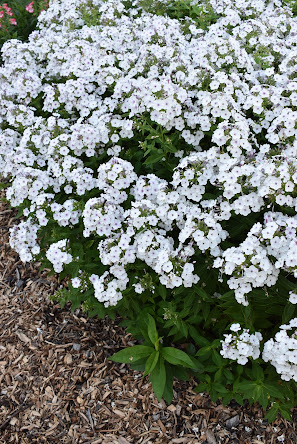
Phlox paniculata Ka-Pow® White from Darwin Perennials

The season of bloom was noted for being exceptionally long as it flowered early and stayed attractive for a long time. Plants were compact, uniform, sturdy and maintained excellent habit despite overhead watering. Branching was very good which created an abundance of crisp, white flowers that were very showy. Foliage was very attractive and never had any powdery mildew.


Phlox subulata Spring® Blue Improved from Dümmen Orange

Flowers made an impressive carpet of blue in the spring. The season of bloom was noted for being exceptionally long lasting but the plants were also noted for looking good all through the summer. The growth habit makes an excellent ground cover and spreads evenly.


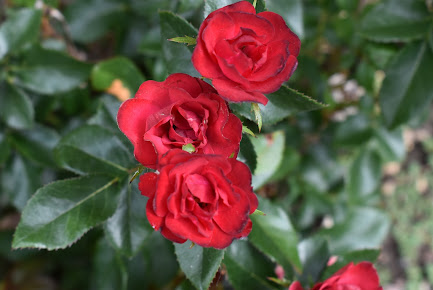
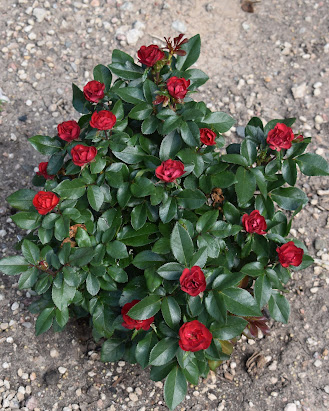
Rosa Petite Knock Out® ‘Meibenbino’PP 11,252,928 from Star® Roses and Plants

This rose is in a class of its own with very beautiful, glossy foliage and petite growth habit. Flowers had a dark, saturated red color that made a striking combination with the glossy, dark green foliage. The petite growth habit created and overall appearance that easily was described as “adorable”. Besides the impressive appearance, it was also noted that it was very low maintenance and had good first year flowering back in 2020. It could be great addition to containers on the patio as well as in mass plantings in the ground.


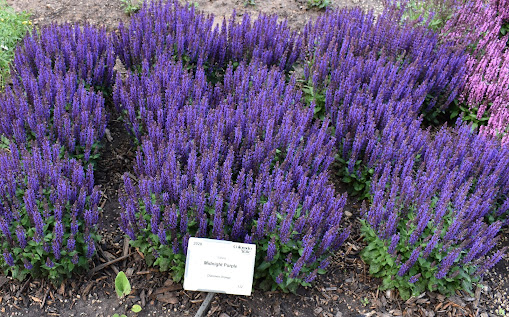
Salvia Midnight Purple and Midnight Rose from Dümmen Orange

Both entries had prolific flowering at the same time and complemented each other well. Growth habits were very uniform with the same height. Both plants had very intense, attractive flower color but the stems on both were noted for being dark that really helped make the flower color “pop”.



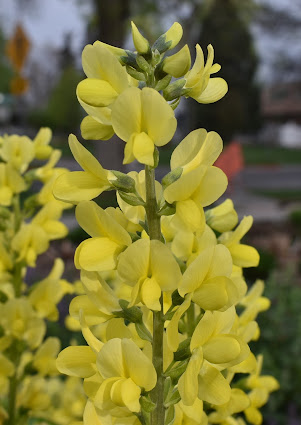
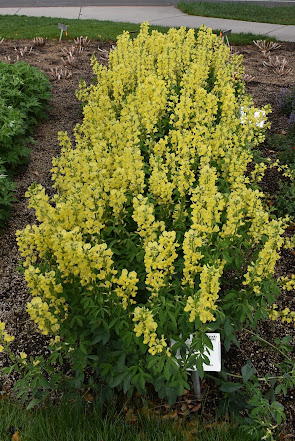
Thermopsis lupinoides (Golden Candles) from PlantSelect®

At its peak, it was described as a “jaw dropping, showstopper, 50mph plant” due to its prolific, stunning yellow blooms. In addition to its robust flowering, it is a tough plant that is hardy to Zone 3 and drought tolerant for the xeriscape garden. The lupine-like foliage is lush and attractive along with being a good nitrogen fixer for the soil.


Monday, April 10, 2023

Did You Know Who Coined the Term "Nativar"?

 Posted by: Linda Langelo, Horticulture Specialist, Golden Plains Area Extension


                                                Photo Credit: Wikipedia

Allan Armitage, author of Armitage's Garden Perennials, horticulturist and 
professor at Georgia University coined the term "nativar" "to show customers
that the industry was offering what they wanted: garden plants developed
from documented native sources, known in the scientific community as 
genotypes" from "What's in a Nativar?" by Carol Becker. A nativar is a
cultivated variety of a native plant that some ecological value in the 
environment. Nativars can be a native plant that is a genetic variant found in 
nature. That plant is then selected and propagated to retain a particular or 
unique aspect. Nativars can also be obtained through the process of artificial
selection in which plant breeders grow plants with desirable characteristics and
eliminate those with less desirable characteristics according to Wildones.org.

According to Ryan McEnaney, Bailey Nurseries' Communications and Public
Relations Specialist, "Nativars allow us to retain the ecological benefits of native
species while making them adaptable and accessible for a modern landscape.
Whether that means a more compact size, cleaner foliage, better color, or a tidier
appearance, nativars solve problems that can arise with the genotype." At your 
nurseries and greenhouses, you may be finding more compact sizes of favorite
native plants with bigger blooms and better color with more disease resistance.

The next question is to plant or not to plant? According to Mary Phillips of the
National Wildlife Federation, it is good to plant 80% native plants and 20% 
cultivars or nativars so that specialist feeders still get what they need to survive. 
Doug Tallamy, American entomologist, ecologist,conservationist and author 
recommends that using  70% native plants and 30% cultivars or nativars is good.
Though Phillips and Tallamy might differ in percentages, the higher the percent 
of native plants the better. 

Let's look at Echinacea purpurea 'White Swan' for a moment. It is a nativar
because it is a cultivated variety of the native species with a white flower. It
is a plant that lives a long time. Another new nativar of Echinacea is
'Snow Cone' another white flowering coneflower with a compact size 
up to 2 1/2 feet for the front of a perennial border. With Echinacea 
alone there are many new nativars to choose to add to your perennial areas. 

                                            Photo credit: Mt Cuba Center

With some nativars, they will feed the indigenous pollinators while being 
resistant to fungal issues, disease and insects. The cultivated plants 
have larger, more color-saturated corollas which are more enticing to 
insects and hummingbirds according to Catherine Winter of 
Morningchores.com in her article, "What are Nativars and Are They 
Beneficial or Detrimental?"

The key to a healthy landscape is the same thing the doctor might say to 
you about moderation and balance in your diet. (Too bad chocolate 
isn't a vegetable.) Apply that in the landscape. Doing so brings about
diversity. If you have all lilacs and daylilies, if a disease or an insect
comes on your property and attacks the daylilies, then you have lost
a great deal of your landscape. Using a variety of plants keeps your 
landscape healthy. Every plant has a purpose and a place. 


Tuesday, November 8, 2022

Evergreen Perennials


Just as we need to settle into the increasingly shorter days and colder nights, we also need to adjust to the bleak landscapes brought on by winter. Annuals die, perennials die-back, and woody plants lose all their leaves, leaving a bleak landscape, indeed! Yet, amidst all this barrenness, there are some plants that stand out, full of color and life: the evergreens! We’re all well aware of the various evergreen trees that fill our Colorado landscapes, but how well do we know the evergreen perennials that dot those same landscapes? Here’s a few to take note of this winter:

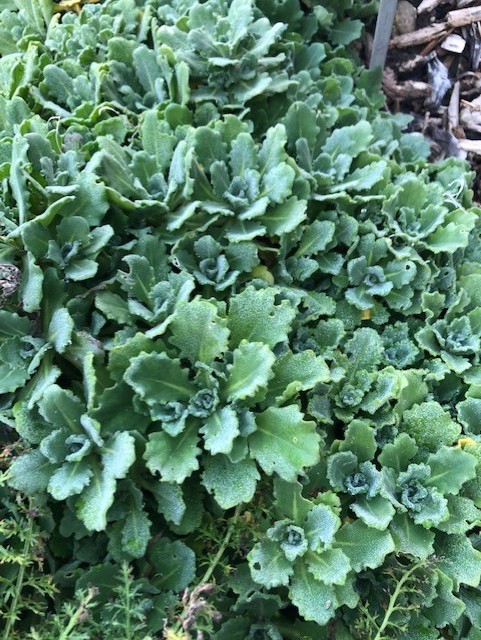
Arabis caucasica (Rock Cress) is a low-growing, creeping evergreen that sometimes takes on a mounding habit. This plant prefers sun and can adapt to various moisture levels. In the early spring, Arabis caucasica features a profuse, mass flowering of delicate, white blooms. The foliage is fairly unique, often hairy with a toothed margin, and provides a nice splash of texture and color throughout the winter. 

Arabis caucasica in late fall. Photo by Hania Oleszak.

Armeria maritima (Sea Thrift) is one of my personal favorites. The evergreen foliage appears grass-like and persists throughout the winter. In the early summer, the cutest clover-like flowers bloom on leafless flower scapes. This whimsical plant is quite hardy, doing well in sunny, dry, and salty environments. 

Armeria maritima in late fall. Blooming occurs in early summer, but can continue flowering if deadheaded (even into the fall!). Photo by Hania Oleszak.

Cerastium tomentosum (Snow-in-Summer) is an aggressive, evergreen ground cover. This plant prefers sunny, dry conditions and can do well in poor soils. Cerastium tomentosum features white flower blooms in the early summer and textured, hairy, grayish foliage in the wintertime. 

Cerastium tomentosum in late fall. Photo by Hania Oleszak. 

Delosperma nubigenum (Yellow Ice Plant) is a low-growing, semi-evergreen succulent that is being bred for greater cold hardiness. Preferring sunny and dry conditions, Delosperma nubigenum is often found in rock gardens. In the summer, this plant features a mass flowering of yellow flowers; in the winter, the jellybean-like leaves take on a purplish tinge as the cold sets in.

Delosperma nubigenum in fall; note the red/purple tinge coming on. Photo from Conservation Garden Park. 

Iberis sempervivens (Evergreen Candytuft) is a low-growing, spreading evergreen. It prefers full sun to partial shade and is adaptable to various moisture levels. In the spring, Iberis sempervivens features blooms of white or pink flowers, and can potentially have secondary blooms in the fall. In the winter, Iberis sempervivens provides a nice texture to the landscape through its linear, evergreen foliage.  

Iberis sempervivens foliage. Photo from Oregon State University.

Do you have a favorite evergreen perennial? Let us know below!

Friday, April 29, 2022

Perennials: Why, When & How to Divide Them

Posted by: Judy Kunz, Master Gardener, Arapahoe County

Perennials are a great addition to any garden, but some may need to be divided after a few years. Make note if they are no longer blooming, have developed bare spots in the center, are floppy or they have outgrown their space. However, not all perennials should be divided at the same time. Spring is the ideal time to divide summer and fall blooming perennials while spring blooming perennials should be divided in late summer or early fall.

Dividing summer and fall blooming perennials in spring is preferred because the plants are not expending their energy to produce blooms at that time, and they tend to be smaller and easier to handle. Spring division also gives plants the upcoming growing season to direct their energy toward producing a healthy root system before blooming later.

Photo: North Carolina State University Extension

Some of the goals of dividing perennials are to improve the health and appearance of the plants by increasing the amount of light and air available, to increase flowering, to relocate plants that have outgrown their space or to increase the number of plants, more commonly known as plant propagation.

Before dividing existing plants, it is important to think about the feasibility of the new site. Consider the size and height of the new plants, as well as the amount of sunlight hours available. For ease in handling and transplanting, perennials should be divided just as new growth begins to emerge in the spring. To minimize plant dehydration, choose a cooler day in spring when the ground is moist and can be easily worked. Overcast weather is ideal. After dividing, rinse roots with a hose or dunk them in a bucket of water. Trim any dead growth and plant new divisions at the same depth as the parent plant. To minimize plant shock, it is helpful to have the transplanting hole prepared. Roots exposed to air can dry out quickly. Water in after planting and continue to monitor soil moisture during the growing season.

Photos: left, provenwinners.com; top right, forsyth.ces.ncsu.edubottom right, littlehouseinthesuburbs.com

Perennials have three basic root systems that are handled somewhat differently at the time of division:

  • Plants with spreading root systems like ornamental grasses have thick, fibrous roots. They can be divided by pulling apart or by cutting with a sharp shovel or garden knife. Each division should have at least three to five shoots with roots included.
  • Hostas or daylilies have clumping root systems that can be divided by pulling them apart, by cutting through the crown with a sharp knife, or prying them apart using two back-to-back pitchforks facing outward. Each division should include several buds with roots.
  • Plants like iris have underground rhizomes that are actually thick, fleshy underground stems with roots attached. These plants require division by cutting with a sharp knife or shovel. Replant new divisions with the rhizomes at or slightly below ground level. In the case of iris, trim the leaves to prevent wind from uprooting the new transplants.

It will take several seasons for the new plants to reach their previous size, but dividing them now is well worth the effort. They will reward you with stronger, straighter stems, healthier foliage and more robust flowering.

By the way, don’t forget to share extra cuttings with friends!

Here is more information on perennial dividing, plus a PDF listing common perennials and when to divide them.

Monday, January 17, 2022

Coneflowers


Coneflowers

By CSU Horticulture Agent, Linda Langelo

                                        Photo credit: Fossil Creek Tree Farm, Cheyenne Spirit


New research is being done all the time with cultivated varieties. One such garden that does trials on coneflowers and many other perennials is Mt Cuba Center. This garden is a botanical garden that studies native plants and plant conservation.

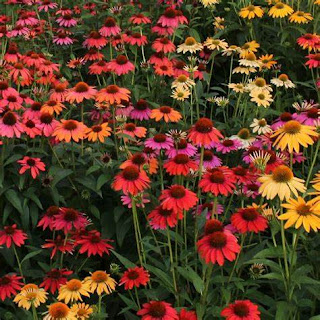
Coneflowers are native to central and eastern United States. Coneflower or Echinacea is a clump-forming herbaceous perennial. Echinacea purpurea produces roots that are more fibrous while other species produce roots that are taproots. This allows them to grow in areas that experience drought and in areas that have heavy competition from other plant's roots. All coneflowers require well-drained soils. The fibrous root system of Echinacea purpurea makes it an ideal plant for many garden sites that have a perennial mix.

Some of the nine species Mt Cuba Center studied grow here in Colorado. The observation of these plants was over a two-year period. Both the performance and visitation of various pollinators was recorded. No fungicides were used during the two-year period. Supplemental water was provided in the first season only to allow the plant's roots to become established.

Of all the Echinacea purpurea species trialed at Mt Cuba Center, the cultivated varieties that performed the best were Echinacea purpurea 'Pica Bella' and Echinacea purpurea 'Fragrant Angel'. Why were they chosen? Their overall habits were sturdy, semi-compact that resisted flopping. There was no need of staking.

Echinacea purpurea 'Pica Bella' is a cultivated variety that most resembles the straight species, Echinacea purpurea in its floral display. This variety also ranked ver high in the number and types of pollinators that were found on the prominent orange cones during the late June to mid-July bloom time. Among the types of pollinators were butterflies, bees, and wasps. The plant will reach a height of only two feet compared to the four feet of straight species. 

                                     Photo credit: Missouri Botanic Garden - Pica Bella


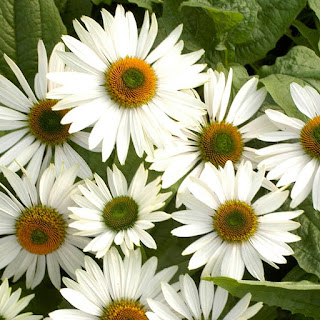
Echinacea purpurea 'Fragrant Angel' is the highest rated of all the cultivated varieties of a white flowering Echinacea. The blossoms are around four and a half inches wide that flower from July into August. This plant is also ranked very high for attracting pollinators such as bees, wasps, and butterflies.

                                            Photo credit: White Flower Farm - Fragrant Angel


Overall, Echinacea are short-lived plants unless they are started from seed. They also have an incurable systemic disease called Aster yellows. It is a pathogen called a phytoplasma, a microorganism that is spread from plant to plant by leafhopper insects. The only way to reduce the spread of the disease is to get rid of the infected plants. 

The other issue with Echinacea is eriophyid mites which can cause unusal growth in the floral cones. In this case the removal of the floral cone can help to control the mites. The symptoms for eriophyid mites are localized infection with the lack of green leafy growth originating from the flowers.

In Sedgwick County Extension, we started a trial garden of Echinacea in 2021. We will see which ones overwintered and how prolific and disease free they are in 2022. The cultivated varieties we chose were based on local availability in the nurseries. These were the following Echinacea

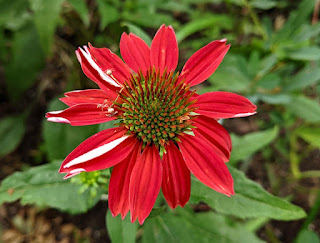
  • 'Cheyenne Spirit (Echinacea hybrida)
  • 'Prairie Giant'
  • 'Kim's Knee High'
  • 'Solar Flare'
    
Photo credit: Missouri Botanic Garden - Prairie Giant


We wished we could have purchased Echinacea 'TNECHKR' and Echinacea paradoxa. According to Mt Cuba Center they were very prolific with flowers and had the greatest garden adaptablility. Echinacea paradoxa, a yellow flowering coneflower also produced vigorous, disease-free plants. Who doesn't want that for their gardens.

                                 Photo credit: garden.virtualindustry.org-Paradoxa


Photo credit: reddit - Solar Flare


Monday, March 1, 2021

Going Bare Root and Timing It Right

 Posted by Sarah Schweig, Broomfield County Extension

Bare root plants are sold without a container and, like the name implies, without any soil around their roots. They are dug up while dormant in the fall and kept in cold storage until time for shipping and sale. You may see fruit trees, ornamental trees and shrubs, small fruits, asparagus, various vines and other perennials treated this way. If you’re new to bare root plants, keep these basic pros, cons, and tips in mind.

Because bare root plants are field grown, they develop strong root systems compared to those raised in containers and controlled environments. A major advantage of this system from the consumer perspective is that bare root plants are relatively light in weight, making them less expensive to ship, and those savings are passed on to you. They do present some additional challenges, however, one of which is timing. Ideally, bare root plants should be planted within a few days of receiving them. Many catalogs and garden centers have options to pre-order bare root selections with a fairly small window of shipping, which hopefully aligns with the right time to plant. Some mail order retailers have an option to input your USDA hardiness zone and base your shipping window on that information. Purchasing when you’re ready to plant and your space is prepped will take away much of the stress of your bare root experience.


On the other hand, I passed an array of bare root plants for sale at a home improvement garden center over a month ago. The selection included everything from hardy kiwi to roses, raspberries, and strawberries. There was an enticing variety of options at the right price, offered at a time when gardeners are itching to get started with the season. The display was the gardener’s equivalent of checkout aisle candy, and I came pretty close. Considering I was there for drywall supplies and had a solid plan for my season already which included none of these plants, I can safely say I understand the impulse buy. Still it’s important to note that just because bare root plants are available, even locally, that doesn’t mean the timing is ideal.

Whether you purchased on the early side or the weather isn’t cooperating with your best laid plans, bare root plants will need some extra TLC until time to plant outside. They should be stored in a cool location until planting outside. The goal here is to maintain dormancy, and temperatures around 40 degrees are ideal. Because the plant is not actively growing, it won’t need much water. However, take care to keep roots from drying out completely. If you know it will be more than a few days before planting, another option is to pot up the plant in a container while still dormant, which will make for less work in maintaining the proper moisture levels around roots. Select a pot that’s large enough to accommodate the roots without too much disturbance.

You’re ready to plant outside as soon as you have decently dry, thawed, workable soil. Though properly storing your plants for an extended period can be a bit of work, the only hard and fast rule is to plant before any new growth starts. It’s a good idea to soak the roots for some time just before planting. Check specific instructions for your selection, but plan for a good drink of 10-20 minutes for smaller perennials, to several hours for larger woody plants. Just like the container, your hole needs to be large enough to place the plant in with minimal disturbance, without overcrowding or breaking the roots.

Bare root tree packed in sawdust (photo courtesy NCSU Extension)

Water the new planting well, mulch, and hold off (around a month) on any type of fertilizer. Slow leafing out is no need to panic, and a season or two delay in fruiting is possible, but
you should expect new green growth from your plant within the first season.

If you’re new to bare root plants, shopping can be a bit stressful because even with the plants in hand, the usual signs of plant vigor are absent in their dormant state. Keep these things in mind:

     There should be no signs of mold or mildew on the plant - check the packaging carefully, too!

     Give it a sniff - “earthy” smells are no problem, but there should not be any particularly strong smells. Anything that smells potentially rotten is a big red flag.

     Heavier is generally better - specifically, live roots and rhizomes will feel heavier than those that are no longer living and dried out. Often packaging will keep you from seeing or feeling roots before the plant is home, but one way to approximate this is to pick up a handful of plants of the same size. If one feels especially light in comparison, avoid it.

Take the plunge with bare root plants this season, and let us know how it goes!

Monday, December 14, 2020

"Top Performer" Perennials from the 2020 CSU Perennial Trial

Posted by Jim Klett, Professor, Colorado State University, Department of Horticulture and Landscape Architecture

Evaluating perennials in the Rocky Mountains

The purpose of the Perennial trial garden is to evaluate new perennial plant species and cul­tivars under the unique Rocky Mountain environmental conditions.  Plants are evaluated for plant vigor, uniformity, floriferousness and tolerance to environmental and biot­ic stresses.  The Perennial Trial program at Colorado State University is designed to test newer perennial cultivars that have been introduced in the past three years or less. Entries in this trial are grown for three summers and two winters before they are switched out for new entries.

Performance Evaluation

Photos and data on plants and flowers were collected on a bi-weekly basis from May to early October. Dead plants in the trial were not considered in the bi-weekly evaluation; thus, the ratings given only reflect the live plants. Members from the Perennial Trial subcommittee also evaluated and wrote comments for each plant variety in June, July, August and September. Plants and flowers were rated 0-5 using the following scale:

 0 = Dead/No flowers

1 = Poor: Plants are very sick or dying, extremely few flowers

2 = Below Average: Plants are unattractive in some form, i.e. – leggy growth habit, chlorotic or low vigor, flowers are few and occurring sporadically

3 = Average: Plant appearance with growth characteristics that would be expected for the time of season; flowers would be few but uniform across the plants

4 = Good: Plants look attractive (foliage, growth habit, etc.,); flowers are blooming strong and showy

5 = Excellent: Plants are very healthy and uniform; flowering is impressive


Selection of “Top Performers”

On November 20, 2020, a conference call was convened with CSU staff and the Perennial Trial Garden Subcommittee. Pictures of entries from the 2018 planting were posted to the Perennial Trial website for review. Data from the growing season was compiled and emailed to each evaluator prior to the conference call for review. After discussion and looking at the pictures taken throughout the season, each plant was voted on by each member of the committee as to whether it should be awarded the designation as a “Top Performer”.


2020 “Top Performers” from CSU Perennial Trials


1.    Allium ‘Summer Beauty’ (Allium lusitanicum) from Stonehouse Nursery, LLC

     Soft lavender blue flowers were prolific and brought strong flower power later in the summer. Flowers were relatively tall and held above foliage for maximum show but had good structure and did not lodge. Plant were uniform and very attractive with glossy green, flat leaf blades.


2.       Echinacea ‘Sombrero® Tres Amigos’ (Echinacea x hybrida) from Darwin Perennials

Flowers were unique with an “evolution of color” that resulted in about three different shades of color during the season. Blooms were vibrant with a rich saturated color. Abundant flowers remained in bloom a long time and created an impressive overall show. Plants had a good growth habit with strong branching and no disease.


3.     Penstemon ‘DAKOTA™ Burgundy’ (Penstemon digitalis) from Terra Nova Nurseries

Dark burgundy foliage was a key reason for the superior rating. Multiple shades of            burgundy added interest to the dark foliage and help make the white/lavender flower color really stand out. Blooms are very prolific with a long flowering period. It was noted that although the flowers are very impressive, the plant looks very showy even when not in flower due to the attractive dark foliage that remained clean all season and never had got “floppy ear”. Plants were very reliable and had 100% survival over three seasons.


4.     Phlox ‘Ka-Pow®’ series (Phlox paniculata) from Darwin Perennials

     Evaluators were impressed with the entire series as all had similar height, were very uniform and resistant to powdery mildew. Flowers had a long period of bloom with no color fade. Series had a range of colors that went from soft lavender to a vibrant pink. The pink entry was noted to have some shades of coral which is unique to Phlox.


5.     Salvia ‘Blue by You’ (Salvia nemerosa) from Darwin Perennials

      Vibrant blue flowers were very showy with prolific amounts of blooms early in the season and an impressive repeat later in the season after a hard cut back of old blooms. The unique blue color is a great addition to the pallet of Salvia colors in the trade and evaluators said they “had to go see it” from across the garden.


Thursday, November 12, 2020

Overwintering Perennials in Containers

Posted by Sarah Schweig, Broomfield County Extension

You may have perennials in containers rather than in the ground for a number of reasons. Perhaps you incorporated them into patio plantings, or maybe they were bought with the intention of planting them, but you didn’t get around to it. Either way, you’ll need to protect most containerized perennials if you want them to survive the winter. 

USDA Plant Hardiness Zones in Colorado Map

The USDA Plant Hardiness Zone on your plant tag is based on the plant’s ability to survive winters in the ground, and if you want to rely on hardiness zones, you should look two zones colder than your area when considering plants in containers. For reference, we are Zone 6a here in Broomfield, based on average minimum temperatures from -10ºF to -5ºF annually. For two zones colder, think more like parts of Grand County or Park County in Zone 4a, which has average minimum temperatures of -30ºF to -25ºF. Add the fact that hardiness zones are based on 30-year averages (would anyone classify Colorado weather as predictable?), and it’s important to note that even plants rated for two zones colder are no guarantee for winter survival in containers. That said, there are strategies for protecting your perennial containers, and the more hardy the plant, the better their chances of survival.


Plant containers dug into ground


By digging containers into soil, you can get the same insulative protection for roots that they would get if planted in the soil. Water plants before setting in the ground, and dig holes deep enough for plants to sit at the same level they would if planted in the ground. Mulch heavily for added protection.


Drying winds and temperature fluctuations are as much an issue as low temperatures when it comes to winter survival. Soil heaving can occur when soils freeze and thaw repeatedly, potentially breaking roots or exposing sensitive parts of the plant. Larger containers can help mitigate soil desiccation and temperatures and therefore increase chances for winter survival. You can also simulate this positive effect by grouping containers together. Allow the containers to protect each other by placing larger containers on the outside of the huddle and smaller containers on the inside. Get added protection by placing in an area protected from wind and mulching around and over the tops of the pots.


Unheated indoor spaces like garages or sheds are another option. Many perennials require annual cold temperatures and a dormancy period, so this space should ideally stay around 30º - 40ºF, warm enough to protect from injury and cold enough for vernalization. Don’t forget to check on plants stored indoors periodically and water when dry.


For all of these options, continue to water plants until soil freezes, and water throughout the winter when temperatures are above 40ºF. It’s important to keep an eye on your containers as temperatures begin to warm and stabilize in the spring. You don’t want to expose plants too quickly to environmental conditions. On the other hand, if protection remains in place too long, plants could start their spring growth prematurely. For those stored indoors, begin to bring outside when night time temperatures are around freezing. Late cold snaps may require bringing the pots back in temporarily, but it’s a small price to pay if they’ve made it that far. For pots huddled together in a protected outdoor location, begin to remove mulch gradually over a number of weeks as the weather warms. For pots sunk in the ground, remove them at the early signs of new growth to avoid their roots growing into the surrounding soil.

Friday, September 4, 2020

Weather Rodeo

Posted by: Lucinda Greene, Arapahoe County Extension

The weather promises to be a wild ride for the Denver metro area starting Tuesday after Labor Day.  Remember the polar vortex in November 2014?  The bomb cyclone in March 2019?  The mini-polar vortex in October 2019, and the extreme temperature changes in February 2020, and April 2020?  By now, we are becoming familiar with the uneven weather patterns as seasons change along the Colorado Front Range. 

This weather can wreak havoc on the plants in the landscape.  Especially those you have cared for all season long!  Generally, if plants have been properly cared for, and are not under drought stress or pest or disease pressure, trees, shrubs, and perennials can handle these early frosts or freezes in September.  However, because we typically have another month before we put our vegetable and annual gardens to bed, you can take steps over the weekend to limit damage to these plants and still enjoy a beautiful fall harvest.

Pumpkins are a warm season vegetable crop that could benefit from being covered during an early season cold snap. Photo: Lisa Mason  

Follow these tips to give your plants a fighting chance to survive next week’s cold snap:

  1. Trees and shrubs – give all woody plants a good drink over the weekend or on Monday. The temperatures in the Denver area are expected to be hot – the high 90’s.  Trees and shrubs can handle the stress from a rapid temperature change better if their root systems have adequate water.  Moisture in the soil also helps moderate soil temperatures and helps protect plant root systems because water has a high heat capacity. 
  2. Perennials – give perennials a good drink like trees and shrubs.  Most perennials suited for Colorado’s Front Range (USDA Zone 5A to 6A) can handle these temperature swings. 
  3. Vegetables -  Depending on how cold it is expected to get in your area, harvest and cover warm season vegetables.  Frost cloths, bed sheets, drop cloths, or blankets make suitable covers for vulnerable plants including tomatoes, zucchini, peppers, cucumber, and squash. Use stakes to keep the material from touching foliage.  Remove the cover promptly in the morning when temperatures rise.  
  4. Vegetables – Depending on how cold it is expected to get in your area, you may wish to cover cool season vegetables like chard, spinach, kale, and lettuce. Root vegetables like beets, carrots, onions, and garlic should be okay without a cover.  
  5. Annuals in landscape beds – Cover with a cloth similar to warm season vegetables. 
  6. Annuals in hanging baskets and containers - Water the soil in hanging baskets and containers well.   Remove hanging baskets from their hooks, and store them indoors along with containers if possible, or group hanging baskets and containers together outdoors and cover with a cloth.  If containers and hanging baskets can be gathered together, store on the ground and cover, taking advantage of warm soil temperatures to keep air around these plants above freezing. 
  7. Finally, after this unanticipated early cold snap, take stock of your landscape.  Do you have frost pockets, or micro-climates that show evidence of higher than normal freeze damage, and therefore colder air accumulation?  Swales, or wide open exposures can experience colder temperatures away from sidewalks and buildings.  Consider moving desirable plantings to other areas of the landscape if you notice a consistent problem.  Or, consider choosing different plant material that withstands these inevitable temperature swings.  Native plants are a great option, since they have evolved in this tricky climate. 
  8. Call your local Master Gardener office if you have additional questions.  They are standing by to help! 

1.