CO-Horts

CO-Horts Blog

Showing posts with label gardening. Show all posts

Thursday, September 7, 2023

Some Superior Annuals from 2023


Some Superior Annuals from 2023

Colorado State University

J.E. Klett


The following annuals are some of the top picks from both public and industry evaluations.

The public evaluations were held on August 5, 2023 and industry evaluations were held on August 8th, 2023.

Official winners will be posted in late September on our website: https/www.flowertrials.colostate.edu


Begonia Hybrid ‘Stonehenge Rose Bronze Leaf’ from Benary®
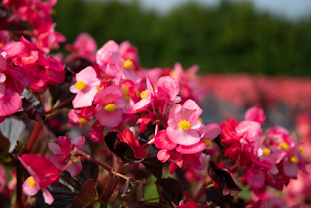
This plant can go everywhere- sun, shade, ground, and containers! It has performed really well and will just keep getting bigger and better until a killing frost. In addition, the breeder is planning to release more of these into the Stonehedge series but with different color onto the market in the next couple of years!


Centaurea ‘FanciFillers Chrome Fountain’ from Westhoff
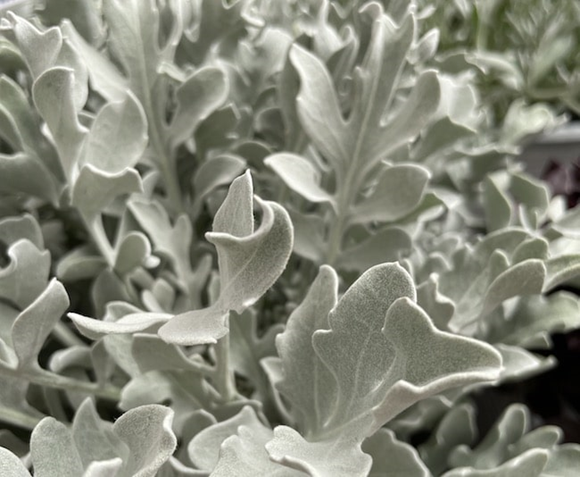
The silvery-white foliage makes a dramatic statement all by itself but combines well with many other plants. Heat loving, drought tolerant has an impressive uniform and mounding growth habit. It makes a great thriller in potted or hanging combos as well as a subtle touch in ground displays.


Coleus ‘Flame Thrower Sriracha’ from Ball FloraPlant
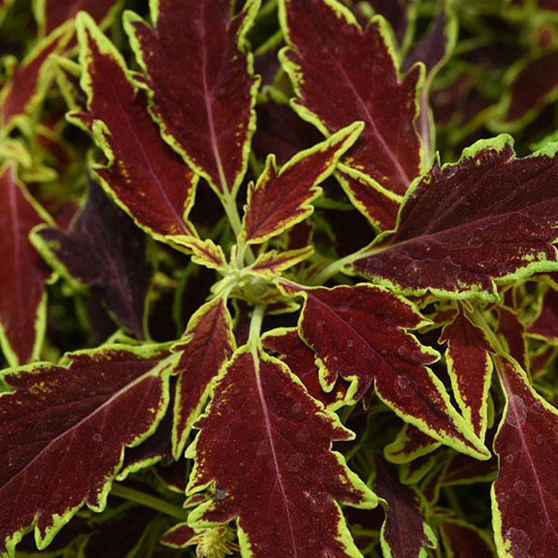

Dark red leaves are highlighted with a pop of lime green edging that help create a great looking plant. The overall look is enhanced by its very uniform growth habit. It had almost no flowering which is desirable for Coleus since it is primarily grown for its colorful foliage. It thrives in sun and shade.


Dahlia ‘Dahlegria® Apricot Tricolor’ from Syngenta
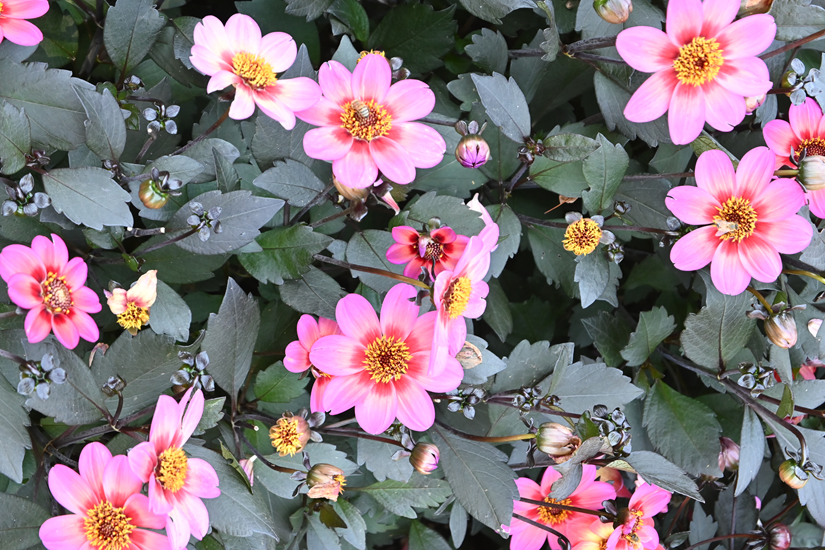
This Dahlia was a strong favorite due to its impressive combination of dark foliage and large, colorful flowers. Blooms had a unique blend of three colors that really stood out against the very dark leaves. The single petalled flowers were also a magnet for pollinators. The attractive plants had a nice upright growth habit and size that would work well in both the landscape as well as a container.


Lantana ‘Passion Fruit’ from Ball FloraPlant
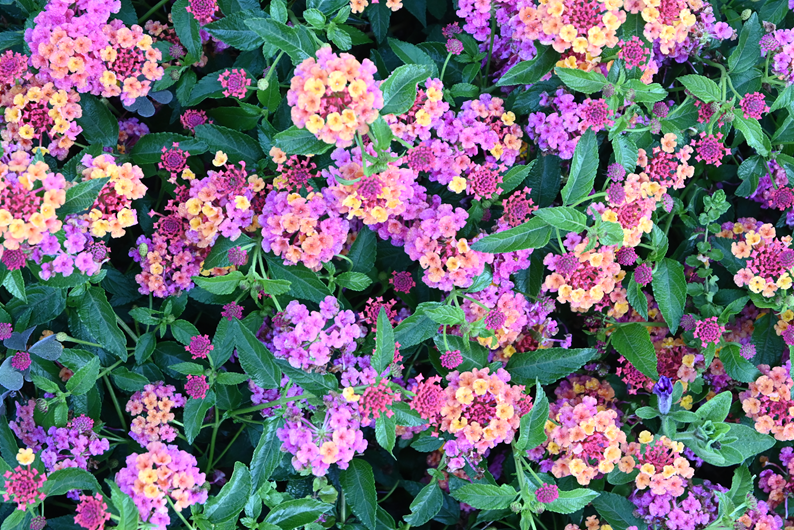

Selected for a combination of prolific flowering and great multicolored flower with tropical fruit colors, it is also known for having consistent flowering through the season and not cycling in and out of bloom. Dark green foliage really helps the flower colors “pop”. The uniform habit makes a great groundcover for the garden. Plants are very tolerant of heat and drought.


Ptilotus ‘Joey’® from Benary®
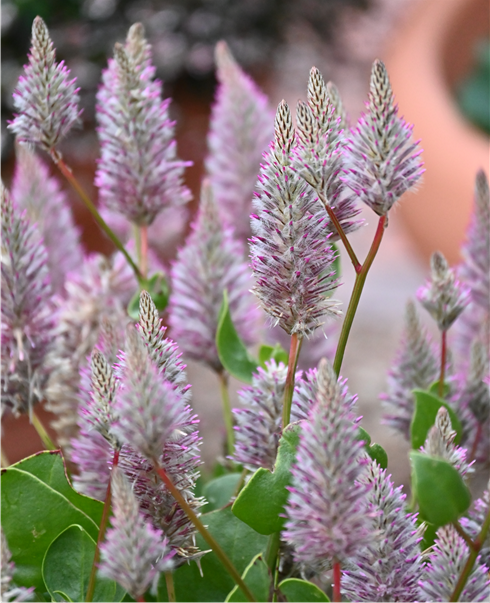

Few flowers in the garden have a form as unique as this one. The large conical spikes of feathery flowers have a great lavender color and are very long lasting. The original species comes from central Australia and have thick silver green foliage which helps make it very tolerant of drought and heat.


Rudbeckia ‘Sunbeckia® Luna’ from Flamingo Holland/Bull Breeding
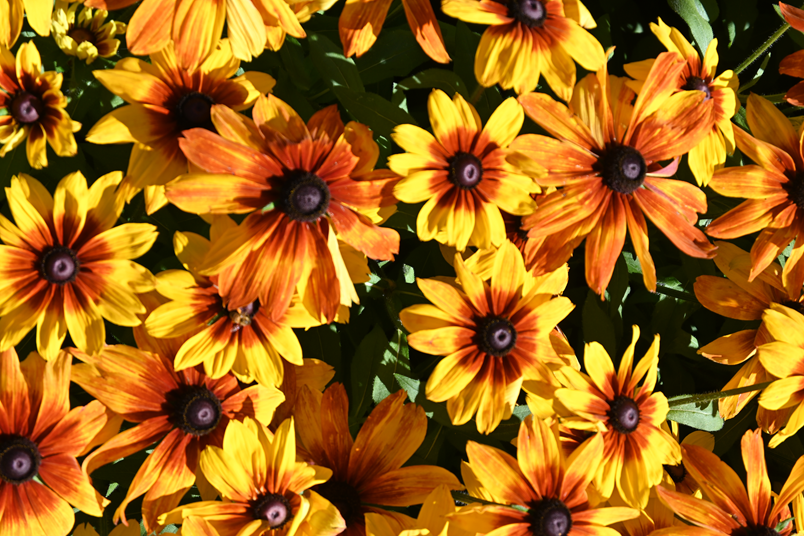

Few plants have the flower power like this one which caught the eyes of almost everyone, even from across the garden. The large flowers are very showy by themselves, but the sheer number of blooms is also very impressive as the foliage is virtually obscured by yellow blooms. The flowers are long lasting for a great display lasting late into the season. Sunbeckia ‘Ophelia’ had the same ranking and had impressive flowers but with a green eye.


Salvia ‘Black and Bloom’ from Ball FloraPlant
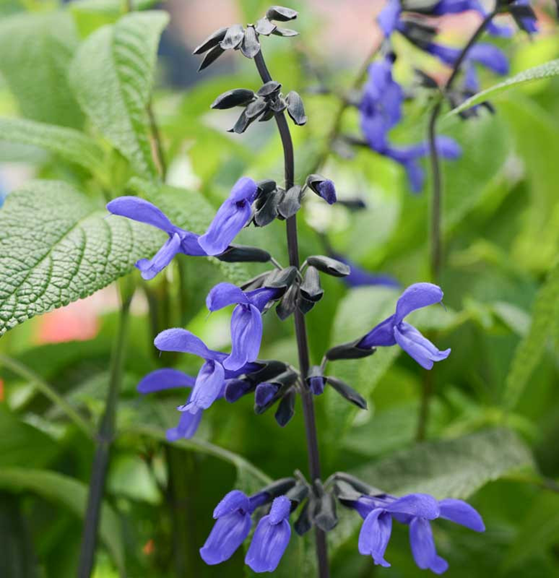

Deep blue flowers and a black stem made a great visual combination which was extremely popular. Plants were noted for a larger flower and darker stems than similar varieties. The breeder noted that it was developed to thrive in drought and heat as well as humidity.


Salvia ‘Mystic Spires’ from Ball FloraPlant
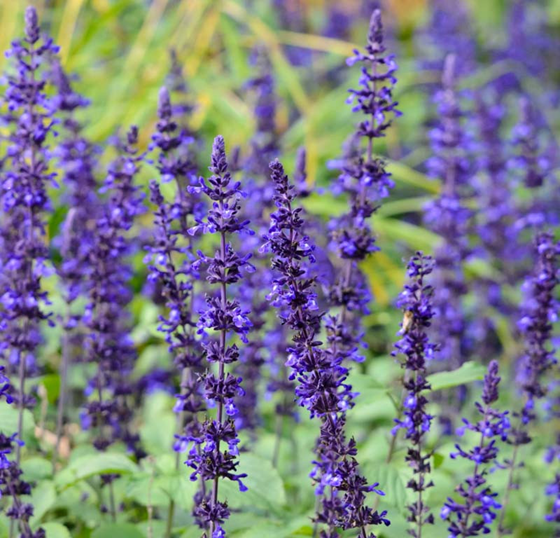

This was a standout with its ever blooming, well branched plant and prolific flowering. Its massive and sturdy stems add great substance to the garden. The hummingbirds are nearly constant every hour of the day. They are easy to grow, reliable for color and have moderate drought tolerance (but preform best with fertilizer and regular watering).


You should plan to plant some of these “best of’s” next year in your gardens. They should perform well along Front Range of Colorado and elsewhere.


Tuesday, May 16, 2023

Why I Garden


posted by: Susan Magill, Colorado Master Gardener, Douglas County

I see my garden as a metaphor for the essential lessons in learning to lead a full and authentic life. My garden is a place where I encounter the creative energies and rhythms of the eternal life force that both bonds me to everything in nature and animates my spirit.

hawthorn flowers
Gardening is a sacred act, a mutual nurturing of human and earth that dates back to prehistoric times. For example, scriptures from the Bible are sprinkled with references to nature as a teacher of fundamental human truths. Ecclesiastes, for example, declares "To everything, there is a season," while Revelation advises: "Hurt not the earth, neither the sea nor the trees." Every religion has its gardens. Gardens relate to something primordial, offering a connection to beauty, mercy, and grace. I need my garden as it needs me, loving its gifts that multiply with my care.
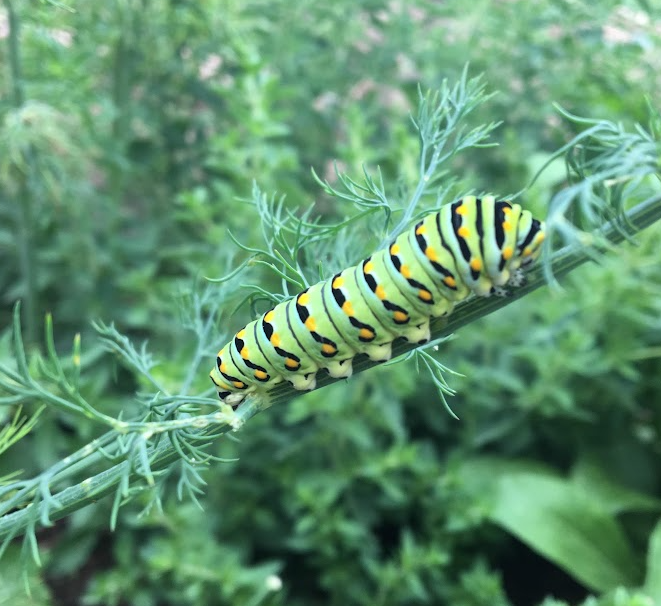
caterpillar

I accept the basic dynamics of the garden. Plants die on me, and they thrive on me. Plants may never talk back, but they inevitably let me know how they feel. There are no politics in a garden, no controversy. My interaction with a plant is a very singular relationship of my own making. In the garden, I explore myself and my creativity, tolerance, madness, obsessions, level of concentration, and my level of caring. There is no competition in my garden, except with myself.

For the most part, gardening is about solitude. Gardening can make solitude feel like solace instead of the prison it might unfortunately be for some. I relish in the constant process of renewal that is always visible among my plants; there is always hope! A magnificent thing about my garden is that it is never, ever the same from one hour to the next. The light, the wind, the angle of the plants' leaves, the energy levels, they're always changing.

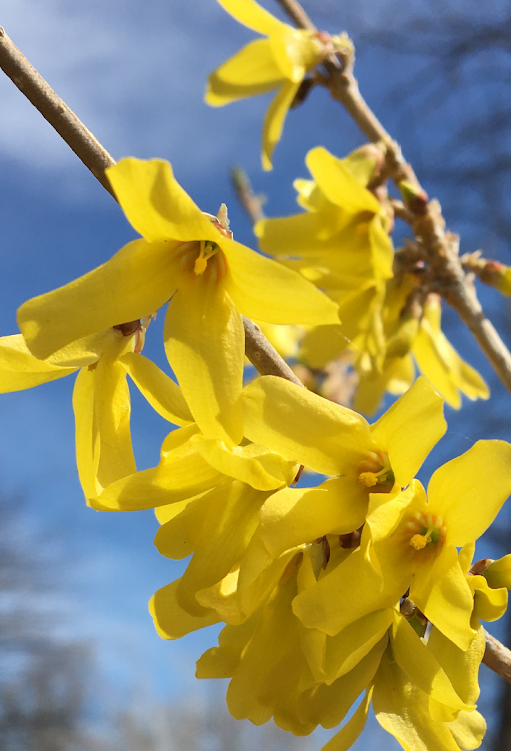
forsythia flowers

As a gardener I give up my preoccupations and focus solely on my labor. It's freeing in that respect because I’m concentrating on entirely on tending nurturing and caring for my plants. My head empties out when I garden, and I become nothing but a force of nature. Gardening eliminates a great deal of the turmoil in my mind because it focuses my energy on doing one simple activity

Any bit of insight I find or connection I make to nature's cycles helps me better understand the essential elements of our humanity and my place in the intricate web of life. In the Garden, I meet nature face-to-face with all my senses, all my physical and spiritual muscles. I am open to the unpredictable, available to life, and ready to learn a lesson or two.

Tuesday, August 2, 2022

Ribbons and Livestock and Gardens, oh my!


It’s that time of year when, across the entire state, counties are gearing up for their county fairs. Event planning is being finalized, award ribbons are being made, and livestock is being meticulously groomed before show. Similarly, demonstration gardens are also being polished up before fair, but rather than being trimmed and brushed, gardens are being weeded and prepped.

Demonstration gardens are common features of extension offices, showcasing research-based practices for landscaping and/or gardening and often dedicated to a particular theme. For instance, many counties offer demonstration gardens that focus on native plants or on xeriscape gardening. Some counties have more uniquely-themed demonstration gardens, such as the Rock and Hell Strip Demonstration Garden in Boulder County or the Ute Ethno-botanical Learning Garden in the Tri-River area. So whether you’re interested in some ideas for your own landscaping or gardening project or you just want to tour some pretty gardens, make sure to check out your local demonstration gardens while you attend this year’s county fair (or anytime, really)!

Rock and Hell Strip Demonstration Garden in Boulder County

Ute Ethno-botanical Learning Garden in the Tri-River Area

Over at Jefferson County, we’ll be hosting an Open Garden Day on August 6th from 9 AM to 7 PM, located at the Jefferson County Fairgrounds in Golden. Demonstration gardens on-site include the Giving Farm Horticulture Garden, the Plant Select Garden, the Native Garden, and the Fruit Tree Orchard. Aside from having Master Gardeners available to answer any questions, we’ll be offering giveaways and garden-themed kids’ projects, so don’t miss out!

Giving Farm Horticulture Demonstration Garden in Jefferson County


Thursday, May 12, 2022

Top 10 Vegetables to Grow in Colorado


by: Katie Dunker, Statewide Colorado Master Gardener Coordinator and John Murgel, Horticulture Agent; Douglas County, Colorado

It’s May, and that means in much of the state, the official gardening season has begun!  For many people, it wouldn’t be a garden without a few vegetables, and with that in mind, here are ten vegetables we think you have to grow this year!  How did we get to 10, you ask?  We considered general ease of growing, plants that are particularly well suited to one or more climates in Colorado, and veggies that tend to be popular for growing, eating and donating.

 In no particular order...


Harvested Beets
Photo: Yvette Henson

1. Beets.  Because they are a cool-season, frost tolerant crop, beets can grow just about anywhere in the

state.  They’re colorful, durable, and nutrient-dense.  Start beets from seed and be sure to thin the seedlings as they grow to give ample space for beets to develop underground—be sure to eat those thinned plants, though; beet greens (micro- or full grown) are edible too.

2. Summer Squash.  Everyone knows the zucchini, but dozens of varieties of summer squash in all shapes and sizes are available.  Squash plants enjoy warm temperatures, so they won’t do well in mountain communities with a short growing season without some extra effort—but for those of us on the plains, (regardless of slope direction) they are prolific producers.


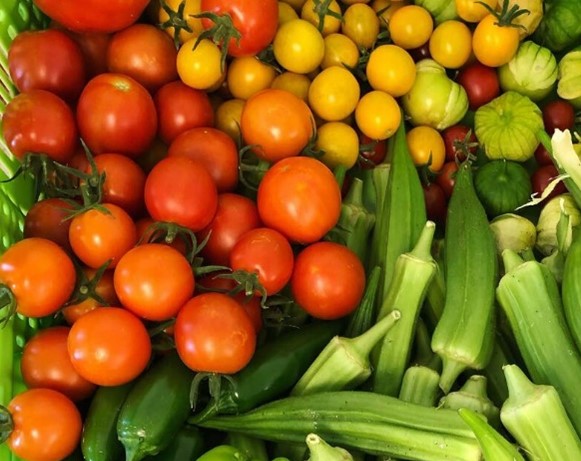
Tomatoes
3. Tomatoes.  Tomatoes have a reputation among some as being garden divas, but so many varieties are available that there’s a tomato for you (almost) regardless of where you live.  Look for short season, cherry varieties if your growing season is short.  Many cultivars were developed specifically for cooler growing conditions. See some northern Colorado options evaluated at https://larimer.extension.colostate.edu/larimer-county-tomato-trials/


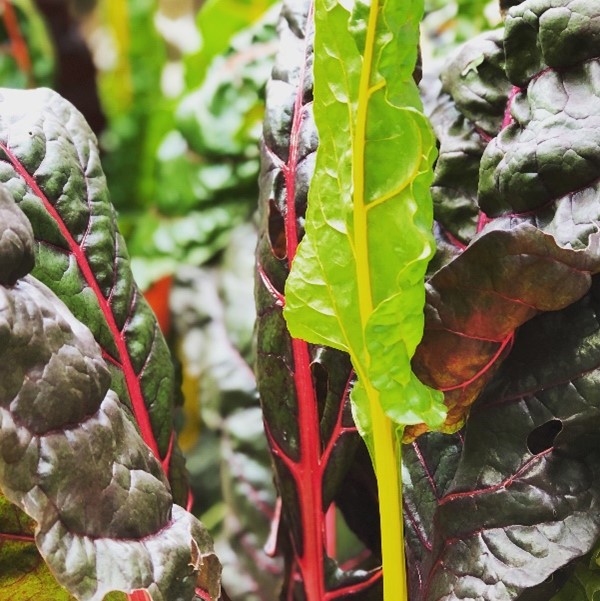
4. Swiss Chard.  Ok, I admit that we’re kind of cheating here, since chard and beets are really the same plant, Beta vulgaris.  Chard varieties were bred specifically for their tasty leaves, though, rather than for a beefy (earthy?) root.  Coming in a wide color range and virtually “bolt-proof” owing to its biennial nature, chard is a charming ornamental vegetable that looks great in a container or in a garden row.

Swiss chard leaves


5. Potatoes.  Potatoes take all year to grow, but the payoff is worth it.  Start in the spring, a few weeks before last frost, and harvest in the fall just before the first frost.  Similar to tomatoes (and in fact a member of the same genus in the Nightshade family), potatoes come in many varieties including some that are adapted to cooler conditions.  Consider growing colors you don’t see in the store, like purple!


6. Snap Peas.  Peas are another great cool-season treat that can be grown just about anywhere across the state.  Eat the new shoots if you’re impatient, or wait to harvest the bounty of sweet pods, perfect for snacking or stir-fries (and kid snacks!)


 7. Onions. 

Photo: Yvette Henson
 Much of Colorado is a steppe climate, and steppes are where onions call home.  Our bulb-ready climate is favorable to these recipe staples.  Grow “slicing” onions from sets or scallions from seed.  If growing onions for the bulb, be sure to choose long-day or day-neutral varieties.


8. Cucumbers.  For fresh eating or pickling, cucumbers make easy, prolific plants.  A wide range of varieties are available, from pigmy to full-length; from round, lemon-yellow balls to long, fuzzy snakes—there’s a cuke for you! 

Green Pumpkin
9. Pumpkins and Winter Squash.  Many people
 quibble about what qualifies as a pumpkin versus a winter squash—and truth be told, they’re the same thing!  (Not that either is a scientific term, but we tend to call anything orange and round a pumpkin and everything else a squash, even though the same three species of plant produce both forms).  Pick a variety that matches your growing season—many small varieties will mature in August if planted in late May or early June.  Pumpkins and winter squash, when fully ripe and “cured,” can keep for months (I once used the same pumpkin on two consecutive Halloweens—a lovely white Cucurbita maxima).


10.  Your Favorite Vegetable.  We know that growing vegetables in Colorado can be a challenge, but we have the resources to help you succeed.  Call your local Extension office, and check out these free resources from CSU Extension:


Romaine Calm and Grow Veggies Poster

Free Registration for the Summer 2022 Growing Vegetables online course Register between May 12 and 26 and receive100% off!  You can access the course materials for a year from registration, so need to rush your gardening wisdom. 

 The Colorado Vegetable Guide. This 67-page booklet contains a growing summary for a wide range of crops.  Available free online. 

 Grow & Give Colorado.  This “Modern Victory Garden Project” webpage is full of CSU vegetable gardening videos, fact sheets, and recorded lectures.  

Because you’ll have a bountiful harvest, check out the resources for donating your produce too.  Many food banks accept donations of fresh produce, and garden-grown vegetables are typically popular.  Consider including recipes with your donation.


Monday, August 9, 2021

Basil saves the summer

 By Carol O'Meara, Boulder County Extension


August is a time that separates the wheat from the chaff, when vegetable gardeners can tell if a season is successful or a bust.  Though you might not be hauling in record breaking harvests in everything you plant, usually you have a few items that are the stars of summer.

This year is particularly telling on a gardener’s skill, with a cold start followed by record heat, and as I assess my vegetable patch, one thing becomes clear:  I can’t grow a darned thing this season.  The peppers are puny and eggplant nearly nonexistent; the spinach, lettuce, and broccoli bolted so quickly I pulled them before we got to eat them.  My squash is beset by squash bugs and the potatoes - though sky-high in growth - probably won't yield much.

In response, I’m complaining about it, which in hindsight was not a good thing to do when talking about a paltry harvest.  Like scenting the weakest of the herd, other gardeners seized the moment, soothing my pain by gifting me with photos of their bountiful harvests.  Now I find myself bereft of garden produce and green with envy.

Thank heavens for basil, or I’d be petitioning the Governor to have my garden declared a disaster.  Basil (Ocimum basilicum) has boomed this summer, producing an abundance of fragrant, sweet leaves on plants that have shrugged off the extreme conditions.

Originally from the Asian areas of Thailand, Pakistan, and India, basil is popular in Italian, Thai, Mediterranean, and other cuisines.  Grown throughout history, it’s the root of interesting superstitions, such as being able to spontaneously transform into a serpent if crushed and left under a stone, or if eaten, turn into scorpions that infest the brain.  These things make me wonder why people eat certain foods.

Other cultures considered basil more fondly:  Hindus consider it a symbol of protection, Italians a sign of love but some use it as a pest repellent, which shows just how confusing love can be.    

Culinary basil comes in many forms, and cooks who enjoy diverse cuisines should indulge in planting sweet, dwarf, Thai, African, citriodorum, or purpurascens types.  Citriodorum, such as New Guinea or Sweet Dani, are lemony flavored plants; Purpurescens are the purple leafed varieties that taste like the classic green basil. 

If you’re interested in traditional sweet basil, pop in Cardinal, Pesto Perpetuo, Genovese, or super-size with Lettuce Leaf or Green Ruffles; their enormous leaves are excellent in salads.  Smaller leafed types can have a peppery kick to their leaves.

The Thai group, with varieties like Siam Queen or Cinnamon, has a surprisingly fruity, licorice-like, or spicy flavor.  The African group are boldly distinctive and often better suited to potpourris rather than food.   African Blue, a hybrid between Dark opal and Camphor basils, is stunning in the garden with spires of lavender-colored blooms.  

Most basils grow in full sun here, but a touch of shade is helpful during the hot summer.  Harvesting it is simple: pinch off the leaves just above the bottom two to four sets of true leaves.  Leaf flavor is best just prior to bloom, but you can pinch off and use the flowers in salads also.


Monday, April 12, 2021

Protecting your plants from wild weather this spring

Posted by: John Stolzle, Jefferson County Extension
Spring weather in Colorado can be temperamental, it can sometimes feel like we experience all of the seasons in a single day. This past weekend, if your garden was located around the Front Range, it likely experienced warm springtime weather ripe for growing; but later this week, forecasts predict cooler temperatures and even a possibility for snow! These erratic fluctuations provide challenges for our gardens, but CSU Extension has put together some techniques which can help gardeners to extend the growing season and to protect plants against some these drastic weather patterns.
In this post, I have highlighted some techniques and provided references with more information for managing your garden with our spring weather in mind.
Seedlings purchased from a garden nursery may need to be hardened off before they are planted in your garden [click here for more information on this topic]. 

One of the most important factors to consider in vegetable gardening is when to plant your garden, and the length of your garden’s growing season. If planted too early, some vegetables can encounter challenges with frosts which can kill tender plants; but if planted too late, crops may not mature by the time fall comes around. By planting the right plants at the right time you can help to cultivate a successful crop.
Planting Guides can help you decide
when to plant certain things.

Cool, hardy season crops can often tolerate minor frosts and thrive in cooler weather conditions which dip as low at 40°F, some examples are broccoli, spinach, and onions. Warm season crop are much more sensitive to frost and should not be planted until all danger of frost has past. These plants do better in temperatures ranging from 70°F - 95°F, some examples are tomatoes, peppers, and watermelon. A longer list for these plants, and more details on this topic can be found in the following link to CSU Extension's vegetable planting Guide:  https://cmg.extension.colostate.edu/Gardennotes/720.pdf
There are a range of techniques which can be used to extend our growing season. These include things such as planting gardens on south-facing slopes, providing windbreaks, mulching, and even covering plants when frosts are suspected. Sheets and blankets can be used to trap heat from the soil around young vegetables at night; these covering should be placed low to the ground and secured. In the morning after using sheets, if this fabric has become damp it should be dried before being used for this purpose again.

Simple hoops over a garden can provide great
fastening points for hail cloth and shade cloth.

More techniques and helpful tricks to extend the growing season can be found in the following link to a factsheet on this topic:
 https://cmg.extension.colostate.edu/Gardennotes/722.pdf

Frosts and cold snaps are one challenge, but hail can be one of the greatest risks to our gardens.  Hoop houses or high tunnels can both extend the growing season and offer protection from hail. Hoops can also provide structures to which tightly woven ‘hail cloth’ can be fastened for added protection; hail cloth can also be placed over tomato cages or other structures available in your garden.

Walls of water and gallon milk cartons (with the bottoms cut off) can be used to protect new seedlings. If you leave the cap off of these cartons, they can even be left over seedlings until the plant outgrows this structure. Your imagination is the limit! Before a hailstorm, cardboard boxes, plastic buckets, and even sheets can help prevent some of the most extreme damage from occurring; however, you should never risk personal safety to protect your garden and should only implement these methods if you are able to get out far enough ahead of a storm for it to be safe.

A seven minute video on Hail Mitigation and cleanup can be found in the following link to more information provided by CSU Extension staff: https://www.youtube.com/watch?v=hQ9G6S4ODtA

A factsheet on this topic can be found on the following link: https://elpaso.extension.colostate.edu/wp-content/uploads/sites/44/2017/05/May-27-2017-Hail-mitigation.pdf

Sometimes it isn't possible to protect our gardens from a rapidly developing hailstorm. If you don’t find yourself with enough notice that a potential storm is coming or perhaps find yourself away from your garden when this weather occurs, you should know that our plants can recover! They want to grow.  To include a direct quote from our Plant Talk page on this topic:

For perennials with foliage intact but stripped, remove flower stalks and cut them back leaving as many intact leaves as possible. Lightly cultivate the soil, and apply a light dressing of low-nitrogen fertilizer.­  

Flowering annuals with no remaining foliage probably won’t recover after a hailstorm. Petunias usually survive if there is at least some foliage still on the plant. Clean the plants of ruined foliage and apply a light application of fertilizer to help them recover.  

Early vegetable root crops with no remaining foliage will not recover. They need the green leafy foliage to produce energy for the roots to grow. Leafy vegetable crops may recover; replant if you see no signs of new growth after a week or so.


The reality is that Colorado's climate and weather patterns are challenging for gardens. But, CSU Extension is here with specialized knowledge to help you grow successful gardens of abundance. To get started, check out the following two links to the Colorado Vegetable Guide: 

en Español

and In English

For a wealth of information on gardening, I would also highly encourage you to check out our 'Growing' resources at http://growandgivecolorado.org/ 

Monday, March 22, 2021

Tips for a New Garden

By Yvette Henson, San Miguel Basin, CSU Extension

Certainly, success is a harvest of delicious, nutritious, useful and beautiful fruits, veggies, herbs and flowers that we grew ourselves!  However, in more than 30 years of gardening, I’ve learned the most from my failures.  My ‘failures’ always teach me something that helps me become a better gardener.

The main goal is a harvest 

The tips I share in this blog post are my own.   Other experienced gardeners will likely have a slightly different list of things they think are most important. 

First, learn by researching.  Colorado State University Extension has quite a lot of up-to-date research-based information to help you.  Check out our Grow Resources on the Grow and Give website, our Fact Sheet publications on the CSU Extension website, our Colorado Master Gardener Notes and our Plant Talk articles.  When you do an internet search, type in your search terms followed by site:.edu and you should find information you can trust.  (I am sure you know everything you find on the internet may not be reliable.)  You can also find good information in most seed catalogs, seed packets and some books.  You can call your local CSU Extension office and they will give you even more local resources.  And you can talk with a successful gardener where you live and/or join a community garden. 

Then, learn by doing. This is where the fun is.  The first year I was at university studying to be a Horticulturist, I took Horticulture 101, which was like a ‘basics of gardening’ class.  That summer, I started a garden using my notes from that class as my garden ‘bible’.  It was an adventure to experiment with what I had learned in class. 

I try something new every year- last year it was to grow a radish seed crop.

Following are a few things you will need to research.  (You may even need to research some of the terms I use in this article.) 

Learn about your climate.  Find out your average last spring frost date and your first fall frost date.  This is your average frost-free growing season.   Find out your minimum winter temperatures and your maximum summer temperatures. Understanding your climate will help you make educated choices about which plants may be best suited for your garden and when to plant them.  For example, if you live in a location with a short season and relatively cool summer temperatures, cool season annual plants and hardy perennial plants will do better in your garden.  If you live in a lower elevation with long, hot summers you will do best with warm season annual plants and more heat tolerant perennial plants.  You can find information about your local climate in Colorado Master Gardener notes and on Colorado Climate Summaries website. 

Learn about your soil.  Get a soil test done.  If you include information about what you want to grow with your soil test submission, your results will come with recommendations about nutrients and amendments you may need to add (or not add) specific to your plantings.

Compost is a good amendment- add 1" to soil a year

Observe your microclimate.  Things like sun exposure, slope, wind, buildings, trees, etc. will inform you even more about what you can grow.  This will help you choose the best locations for your garden beds and where you may need to add wind breaks or covers to your beds.

My raised bed garden at 8,400'
takes advantage of a south facing slope (microclimate)
and season-extension covers.

What source and how much water is available to you?  If you have a well, you will need to have your well water tested.  You may need to choose more drought tolerant plants and/or supplement your household water with rainwater or raw water if it is available in your community.  You may even need to haul water. 

Decide if you want to grow in the ground and/or in raised beds.  If you have rocky or clayey soils or do not want to do a lot of bending, raised beds are a great option.  Ask your local extension office about  options to obtain soil to fill your beds. 

Once you have done your research, get started! 

Start small by growing something like
cut-and-come-again lettuce in a container garden.
(In this photo lettuce seed is covered by fabric until it germinates. 
The flat is tomatoes that are hardening off before planting out.)

Do not try to grow all the food your family needs the first year.  To do so will require a lot of time, hard labor, space, and resources.  I personally have not heard of many people, even popular YouTube homesteaders, who are able to grow all their food. However, you may be able to grow enough of your own leafy greens, green beans, squash, potatoes, or berries for a year or two -- just maybe not all at the same time.  These crops are all relatively easy and can produce quite a bit in limited space.  And they can all be preserved in some way so you can enjoy them through the winter. 

Perpetual spinach is a chard with tender green leaves and narrow stems. 
 It produces well and is slow to bolt in the heat of summer.

BUT just because you can grow it does not mean you should.  If you don’t enjoy eating something, why grow that crop?  Or if your climate is not suited to grow something, do you really want to give the extra space, time, effort and expense to try to grow it? 

Is it worth the extra effort to grow these tomatoes
in a short season with cool nights?

Timing is critical.  There is a short window for when you should start seeds indoors and when you should plant outside. I have failed to get a good harvest more because of poor timing than anything else.  Learn from failure. There is always next year to try again.

It took me about 5 tries to grow onions that sized up before going to seed. 
The secret for me was finding a good long-day variety and starting them early inside.  

Don’t forget to have fun and to enjoy the ‘fruits of your labors’.  It is rewarding to grow your own food and beautiful flowers and to share with your family and community.  You may even become one of those people who posts pictures of their homegrown meals on social media! 

Thursday, January 28, 2021

Teach a Child to Garden

                           By CSU Horticulture Agent, Linda Langelo


            Photo credit: Linda Langelo, Sherry Brandt with Kylie & Carlie

If for some reason you were not able to teach your child how to start gardening, then maybe in 2021 growing season you can.  Here are some very simple ways to engage your child:


  • Ask if they are interested in learning about gardening.
  • Share with them every step in the process.
  • Start at the beginning of looking through catalogues and selecting seeds.
  • Show them how to grow squash, watermelon, and cantaloupe in a container.
  • Provide a calendar that is separate for gardening tasks.
  • Mark dates on the calendar for starting certain seeds, frost free dates and so on.

Above all, give them responsibility. Naturally, the responsibility you assign each child will differ with their age. Responsibility to do certain small tasks you know they can handle such as watering the newly planted squash seeds and marking the calendar when they have watered them.  That way everyone knows. 

Make clear and simple explanations for why you are doing certain tasks when you are doing them. Children are inquisitive and imaginative.  Encourage these qualities by helping them explore.  What happens when you do not plant the onion bulb in deep enough or with the basil end facing the soil surface. Let them plant one onion bulb incorrectly and use a stake to mark it. Watching and wondering what will happen is half the fun.  When the onion sprouts along with the others is when you explain geotropism to them.

Giving them the opportunity to explore and encourage their curiosity which can engage them further with gardening. By doing these things you are giving your children a hand in every aspect of the family garden.  When I was only eight years old, my grandmother told me about the importance of working in fertilizer and sometimes coffee grounds around her roses.  She showed me how and then gave me the responsibility to get it done.  Your child may not grow up to have a career in horticulture like I have had, but they may have gardening as a hobby for the rest of their life.  When times get tough, they know how to grow their own food.

For more information to help assist you in this endeavor, here is a link to a CSU article by a CSU Master Garden in Larimer titled “Growing Food and Growing Gardeners” : https://extension.colostate.edu/topic-areas/yard-garden/growing-food-and-growing-gardeners/

At the bottom of the article posted above are CSU Fact Sheets to help you with growing vegetables.  In 2021 growing season, Grow and Give will continue.  Consider taking part if you did not in 2020. For more information go to the following link: https://cmg.extension.colostate.edu/grow-give/

Also, get in contact with your local Extension Office or Master Gardeners in your area.

 If you need more assistance with gardening activities here is a short list of links for different age levels:

 https://kidsgardening.org/garden-activities/

https://garden.org/