
By Amy Lentz, Weld County Extension Horticulture Agent
It's tree planting season which means there are choices to be made in yards all across the state. But which tree should you choose?
Today's tree-in-question - the aspen. So many of us want one in our yard to give us that 'Colorado' feeling. From the beautiful white bark to the perfectly shaped and uniform green leaves, or maybe it's the fall color or rustling sound that you just have to have! Before you go out and buy an aspen to plant in your home landscape, I urge you to reconsider if you live along the Front Range or Eastern Plains. These native trees are only native to the higher elevations of Colorado, the mountains and foothills.

Aspens have a few needs that just can't be met down at lower elevations. For one, the soil is much different than that of the higher elevations - it's higher in clay content, more alkaline and drier. The temperatures get much hotter in the summer at lower elevations than what the aspens prefer which can lead to stress. Once an aspen tree is stressed, it can invite other insect and disease problems like oyster shell scale, Marssonina leaf spot or cytospora canker. See PlantTalk Colorado - Aspen Trees (#1701) for more information.
Finally, aspens want to reproduce via suckers and create groves and many home landscapes are just not big enough to accommodate a grove of aspen trees. If you plant an aspen in a small yard, you've probably just planted an aspen for all of your neighbors, too!
Photo: Amy Lentz - Aspen trees in Rocky Mountain National Park.
So, instead of choosing an aspen tree for your Front Range yard, here are a few interesting alternatives. They won't be exactly the same, but they have similar qualities with much less caution required.
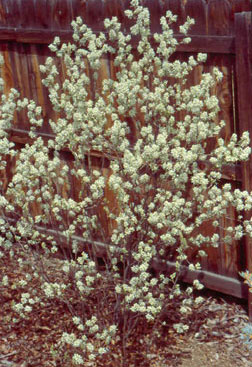
Serviceberry trees are great for smaller landscapes. They can be purchased in multi-stem form, giving them that 'grove' look without the suckering. They also offer a few things that aspens don't - spring flowers, summer edible fruits and nice fall color. The 'Standing Ovation' cultivar is a taller form, giving it more of that aspen look, whereas the 'Autumn Brilliance' has an intense orange-red fall color.
Photo: PlantTalk Colorado 1213 - Serviceberry

Tatarian maple is another tree that can be bought as single or multi-stemmed. The 'Hot Wings' type has guaranteed bright-red summer seed pods creating the appearance of flowering. This tree is better suited to the harsher conditions and low-water or xeric settings once established.
Photo: Adams County Extension Tour the Xeric Garden @ Riverdale Regional Park

If you like the smooth bark of the aspen, the redbud has a similar appearance in its younger bark but with a more grayish tone. The leaves are larger, but also have that similar heart shape. The redbud also offers a nice display of early spring lavender blooms in most years. Plant this tree in a more protected location from wind and intense sunlight.
Photo: Amy Lentz, taken outside the Boulder County Clerk & Recorder Offices in a very protected northeast facing corner
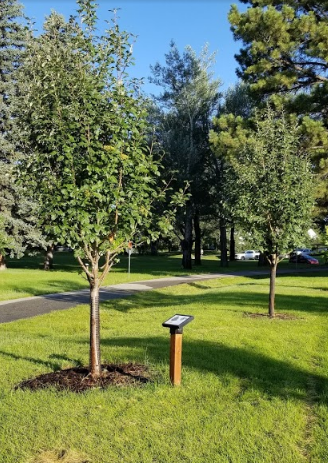
If you want something 'mountainy', the oakleaf mountain ash has 'mountain' in it's name! It has low to moderate water needs and has a uniquely shaped leaf, pretty flowers, red berries and nice orange-red fall color. It's not a true ash, so it is not under threat by the Emerald Ash Borer. In fact, it is not known to have any serious insect or disease issues.
Photo: City of Sheridan, WY - Arboretum
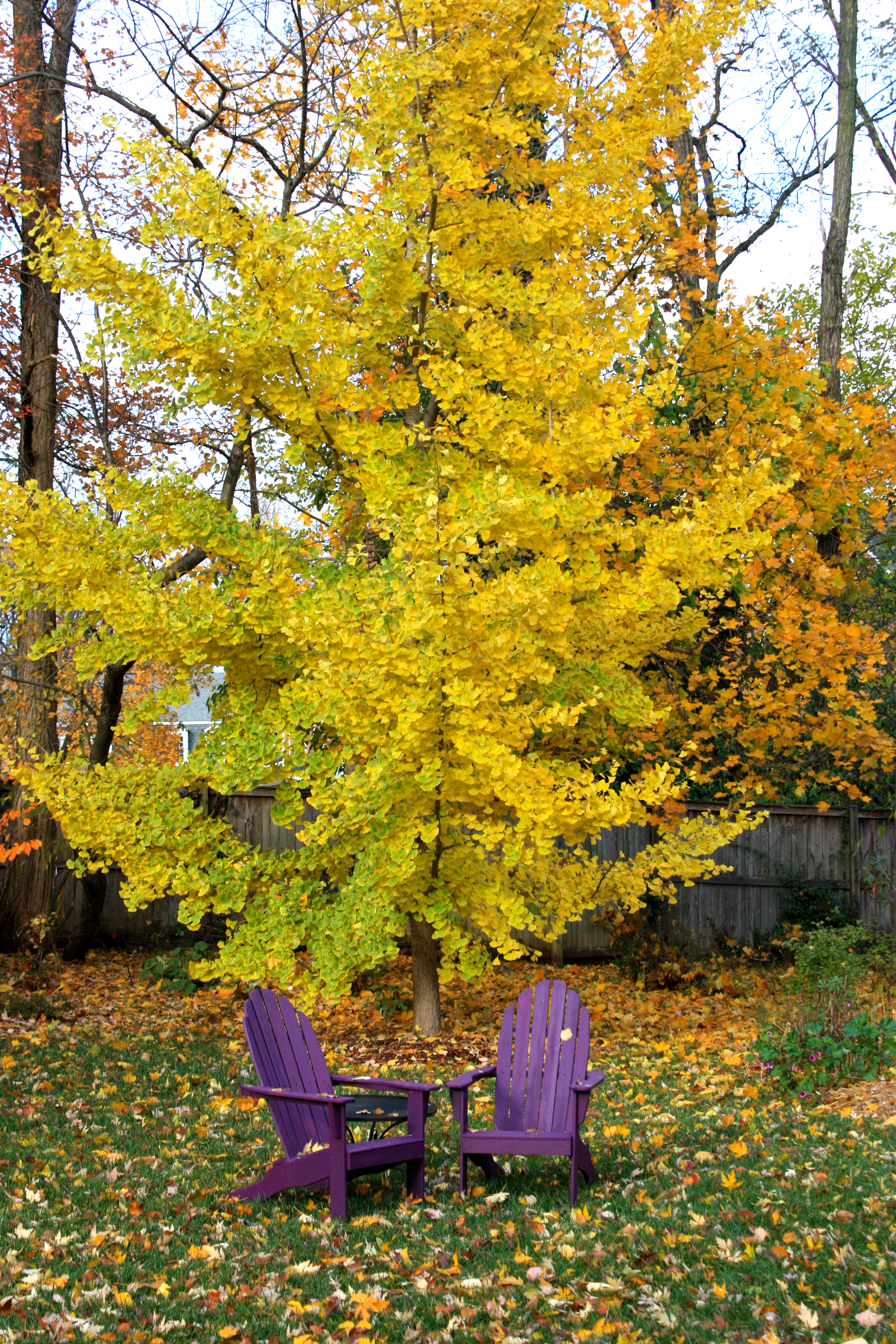
So many to choose from! These types of trees are more narrow than wide, making them good for tighter spaces where you might commonly want to plant aspen trees. There are a lot of deciduous trees listed on our CSU Fact Sheet. A couple to consider might be the 'Princeton Sentry' ginkgo or the 'Prairie Sentinel' hackberry.
Photo: Wikimedia Commons - 'Princeton Sentry' ginkgo

